
ગુજરાત ફૂડ પ્રોડક્ટ્સ
The mill at Kharedi
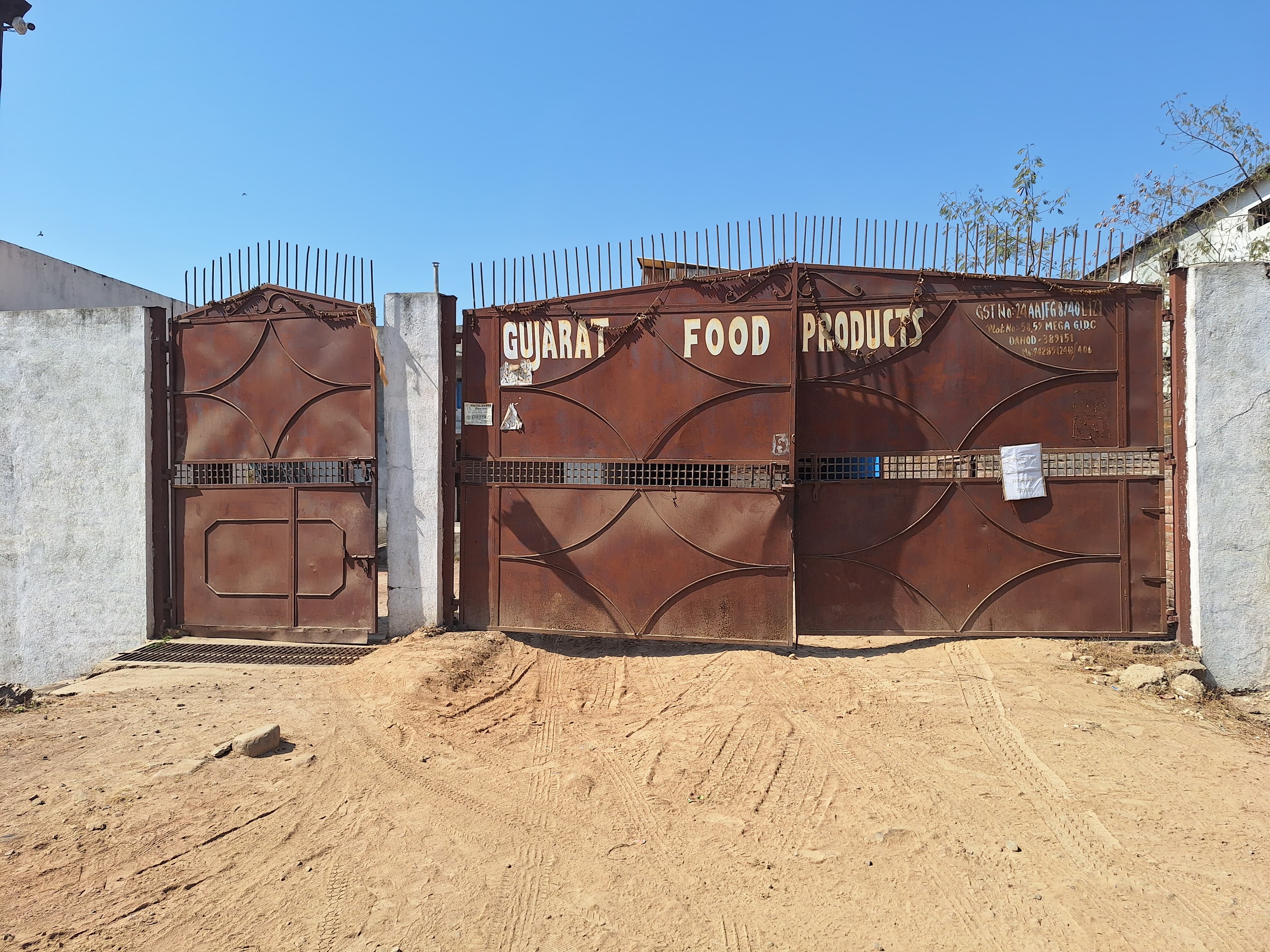
Plot 358 and 359 on the Mega GIDC estate, Dahod. Maize goes in one end and printed sacks come out the other.
A commodity business, run carefully
Makai poha is not a complicated product. Maize is boiled until it gives, rolled flat, dried and bagged. What separates one mill from another is whether the flake that leaves in March is the same as the one that left in October.
That is the whole job here. The rollers are set to a fixed thickness, the drying is done in air rather than forced, and every batch is looked at before it moves. Buyers who order the same label twice get the same thing twice.
Alongside the four poha labels, the mill packs Gujarat King makai bhardo, a coarser grind sold as cattle feed.
How a batch moves
- 1
Grown
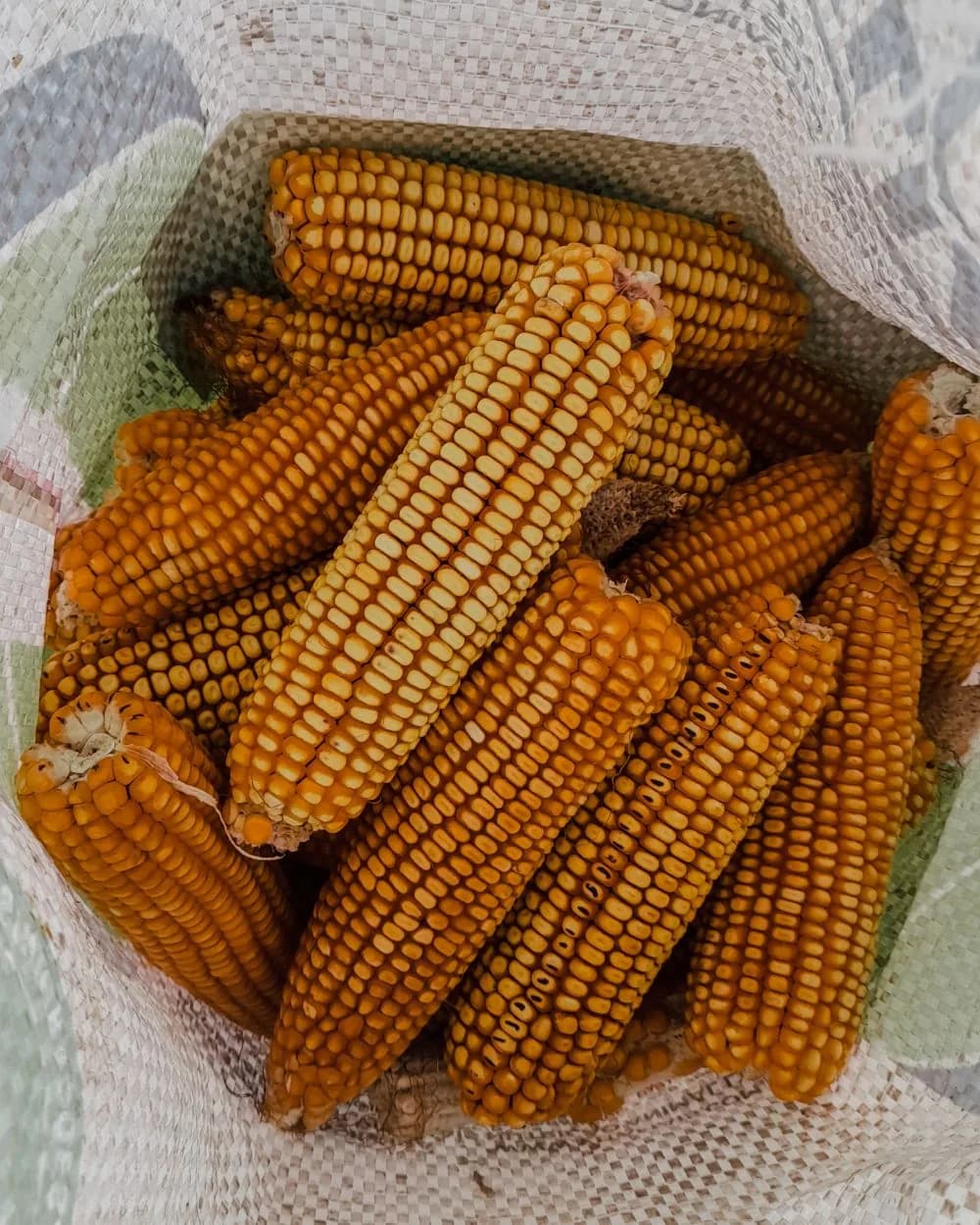
Maize is sourced from growers around Dahod and graded on arrival.
- 2
Boiled
Held at a controlled temperature so the grain softens without losing its body.
- 3
Flattened
Rolled to an even flake thickness, the step that makes poha poha.
- 4
Dried
Air-dried rather than force-dried, which is what keeps the flake's flavour.
- 5
Inspected
Each batch is checked for colour, moisture and foreign matter before it moves.
- 6
Packed
Filled and stitched into printed woven sacks, ready to ship.
The raw material
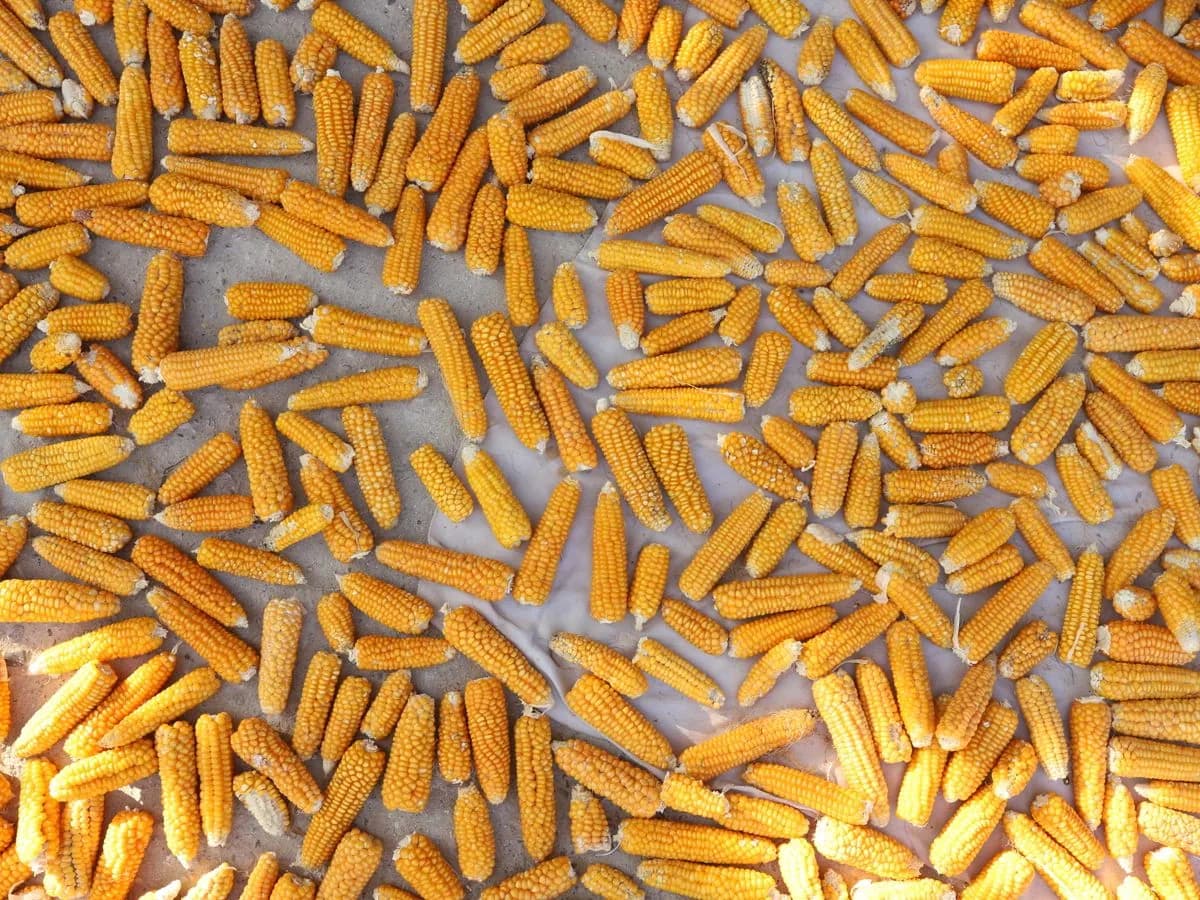
Maize from growers around Dahod, graded as it arrives. 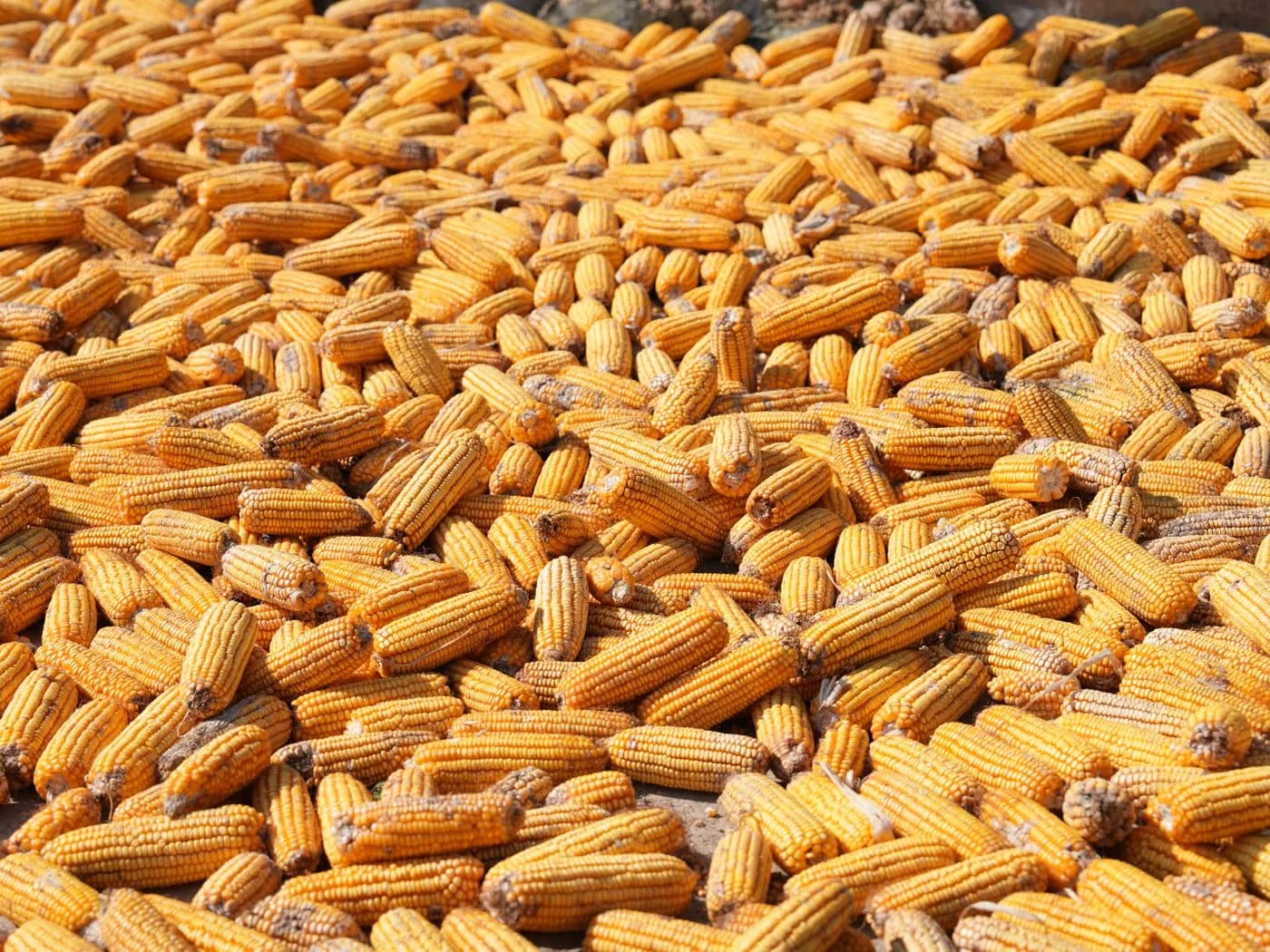
Air-dried after flattening, not forced dry. 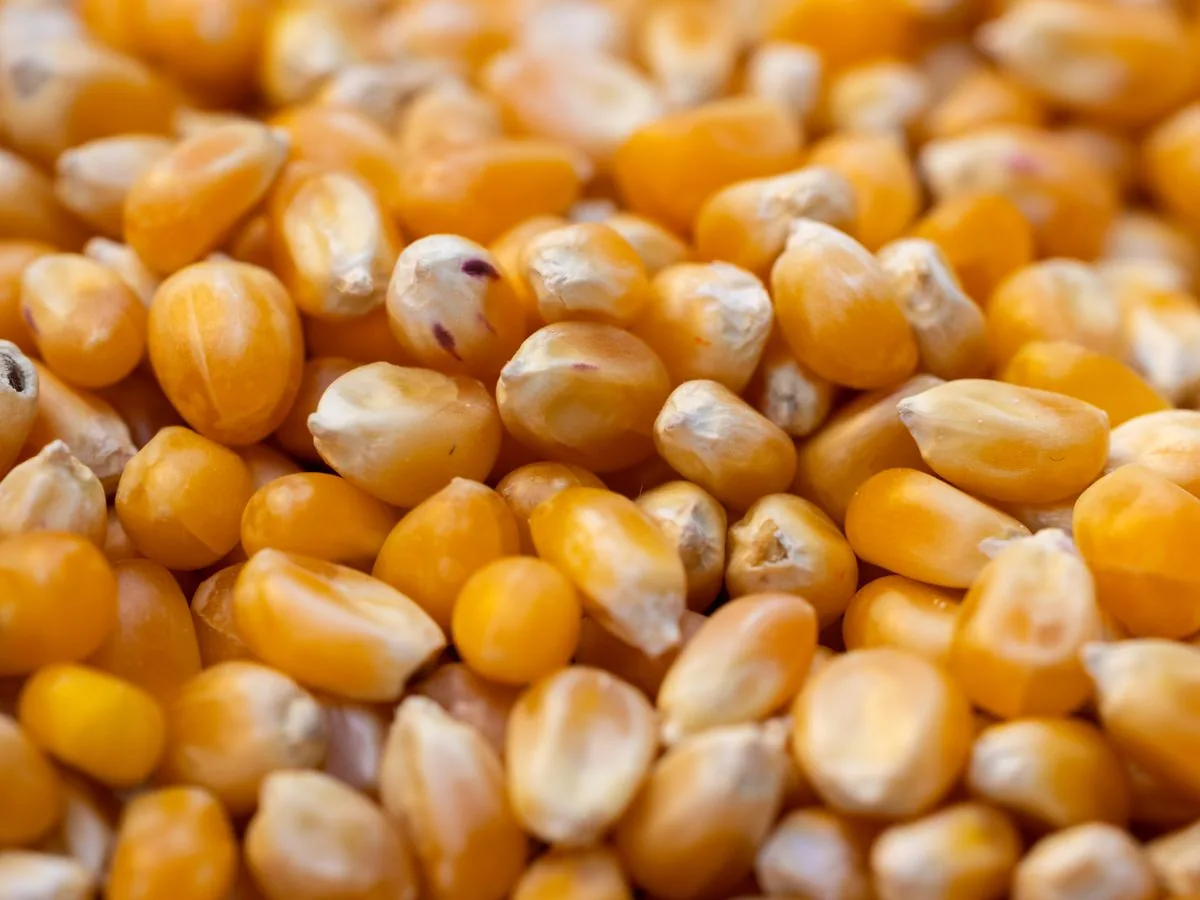
Clean grain is what the whole run depends on.
What we hold ourselves to
- Maize and nothing else. No artificial additives go into the poha.
- One grade per label, held steady across seasons.
- Every batch checked for colour, moisture and foreign matter.
- Packed in hygienic conditions, ready to ship.
Works
Plot No. 358, 359 MEGA GIDC, Kharedi, Dahod, Gujarat